
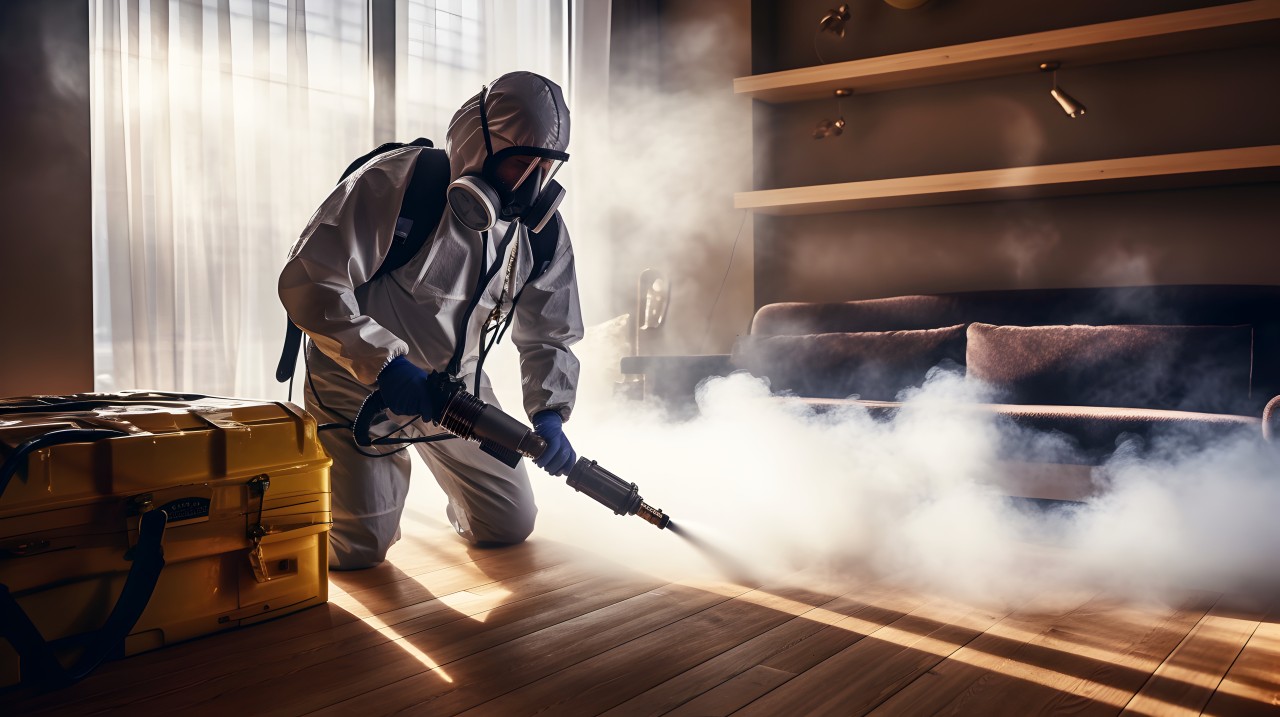
22 Aug Effective Pest Control: Protecting Your Home and Health
Pest control is an essential aspect of maintaining a healthy and safe living environment. Whether in residential homes, commercial spaces, or agricultural settings, pests can cause significant damage, spread diseases, and create uncomfortable living conditions. Understanding the importance of effective pest control methods can help prevent infestations and protect both property and health.
Why Pest Control Matters
Pests such as rodents, insects, and other unwanted creatures are more than just a nuisance. They can pose serious health risks and cause extensive property damage. For example, rodents can chew through electrical wiring, increasing the risk of fire, while insects like mosquitoes and ticks can transmit dangerous diseases such as malaria and Lyme disease.
Furthermore, pests can contaminate food supplies, leading to foodborne illnesses. Cockroaches, for instance, are known carriers of bacteria like Salmonella and E. coli, which can cause food poisoning. Effective pest control helps eliminate these risks, ensuring that homes and businesses remain safe and healthy environments.
Common Pests and Their Impact
- Rodents (Rats and Mice): Rodents can cause significant structural damage by gnawing on wood, insulation, and wires. They are also known carriers of diseases such as hantavirus and leptospirosis.
- Insects (Ants, Termites, Cockroaches): Termites can destroy wooden structures, leading to costly repairs, while ants and cockroaches can contaminate food and surfaces, spreading harmful bacteria.
- Mosquitoes and Ticks: These pests are vectors for diseases such as malaria, dengue fever, and Lyme disease. Their bites can also cause allergic reactions in some individuals.
- Bed Bugs: Bed bugs are notorious for their itchy bites and can quickly spread throughout a home, making them difficult to eliminate without professional help.
Integrated Pest Management (IPM): A Sustainable Approach
Integrated Pest Management (IPM) is a comprehensive approach to pest control that emphasizes the use of environmentally friendly methods. Instead of relying solely on chemical pesticides, IPM focuses on a combination of practices to prevent and control pest infestations. These practices include:
- Prevention: Sealing entry points, proper waste management, and maintaining cleanliness to deter pests from entering the property.
- Monitoring: Regular inspections to detect early signs of pest activity, allowing for prompt intervention.
- Physical Control: Using traps, barriers, and other mechanical methods to capture or exclude pests.
- Biological Control: Introducing natural predators or parasites to control pest populations.
- Chemical Control: When necessary, using pesticides in a targeted and judicious manner to minimize environmental impact.
Choosing a Professional Pest Control Service
While DIY pest control methods can be effective for minor infestations, severe or persistent problems often require professional intervention. A licensed pest control service can provide a thorough assessment of the property, identify the type of pests present, and implement a customized treatment plan.
When choosing a pest control company, consider the following:
- Experience and Expertise: Look for a company with a proven track record and expertise in dealing with the specific pests you’re facing.
- Safety Measures: Ensure that the company uses environmentally friendly products and follows safety protocols to protect occupants, pets, and the environment.
- Reputation: Check reviews and ask for references to gauge the company’s reliability and customer satisfaction.
No Comments