
31 Aug Understanding Monkey pox: What It Is and How Pest Control Can Play a Role in Prevention
Introduction
In recent years, there has been a growing concern about emerging infectious diseases, particularly those that can spread from animals to humans. One such disease that has gained attention globally is monkeypox. While it may sound exotic and rare, monkeypox is a serious viral illness that has been on the rise in certain parts of the world. As a pest control company, you may wonder how this relates to your services. The connection between pest control and diseases like monkeypox is closer than you might think. This blog post will provide an in-depth look at what monkeypox is, how it spreads, and how effective pest control measures can contribute to preventing its spread.
What is Monkeypox?
Monkeypox is a zoonotic disease, meaning it is transmitted from animals to humans. It is caused by the monkeypox virus, a member of the Orthopoxvirus genus, which also includes the more infamous smallpox virus. Monkeypox was first discovered in 1958 in monkeys kept for research, which is how it got its name. However, the primary reservoirs of the virus are not monkeys but rodents, including rats and squirrels, particularly in African regions.
The disease was first identified in humans in 1970 in the Democratic Republic of the Congo, and since then, it has been reported in various countries, mainly in Central and West Africa. However, occasional outbreaks have also been reported outside Africa, including in the United States, the United Kingdom, and other parts of the world.
How Does Monkeypox Spread?
Monkeypox spreads through several routes:
- Animal-to-Human Transmission: This occurs when a person comes into direct contact with the blood, bodily fluids, or skin lesions of an infected animal. Rodents and primates are the main animal reservoirs of the virus. Handling or consuming undercooked meat from infected animals can also lead to infection.
- Human-to-Human Transmission: Once the virus jumps from animals to humans, it can spread between people. This usually happens through direct contact with the skin lesions, respiratory droplets, or bodily fluids of an infected person. Close physical contact is often required for transmission, making households and healthcare settings potential hotspots for spread.
- Indirect Transmission: The virus can also spread through contaminated objects, such as bedding, clothing, or other materials that have come into contact with the infectious fluids of an infected person or animal.
Symptoms of Monkeypox
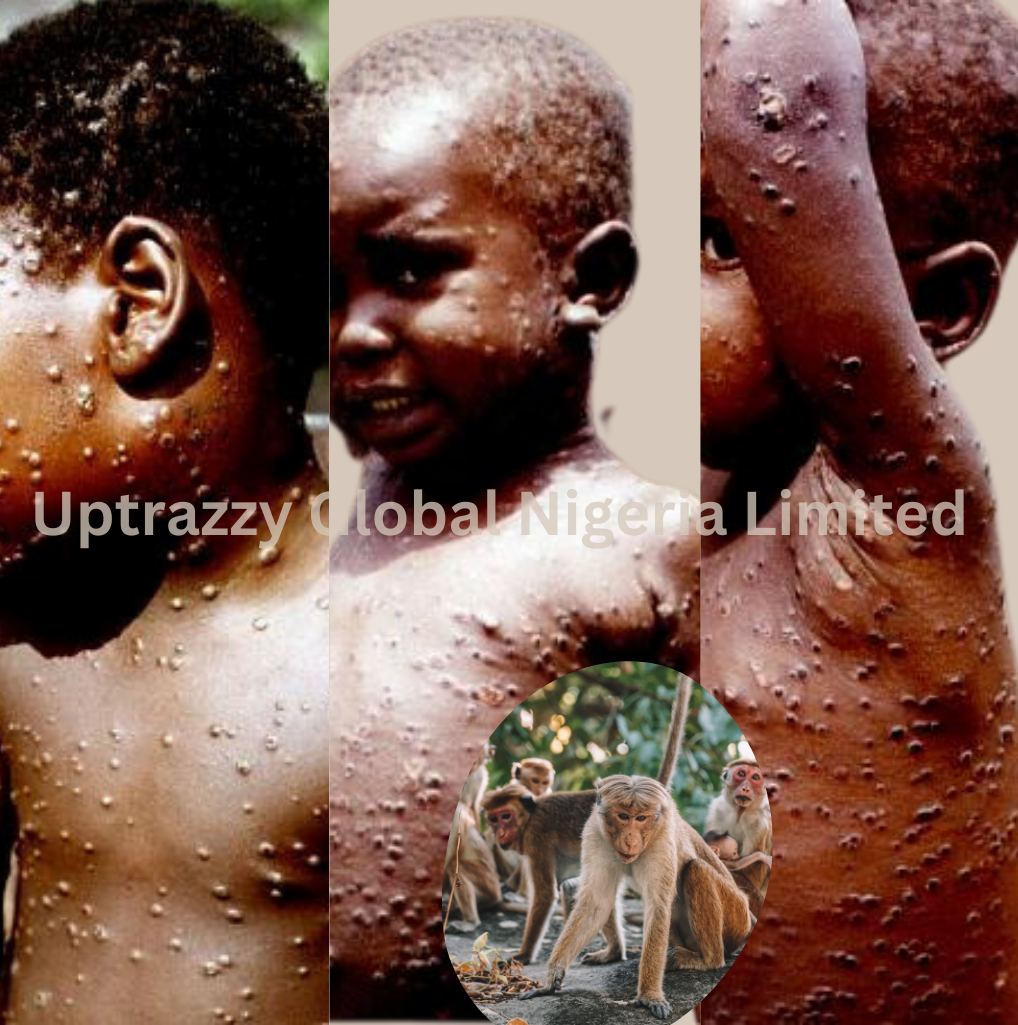
The incubation period for monkeypox is typically 6 to 13 days but can range from 5 to 21 days. The symptoms of monkeypox are similar to those of smallpox but generally milder. The disease progresses through the following stages:
- Initial Symptoms: The illness usually begins with fever, headache, muscle aches, backache, swollen lymph nodes, chills, and exhaustion. This phase lasts for 1 to 3 days before the rash appears.
- Rash Development: A rash usually starts on the face and then spreads to other parts of the body. The rash progresses through several stages, starting as macules (flat lesions) and evolving into papules (raised lesions), vesicles (fluid-filled blisters), pustules (pus-filled blisters), and finally scabs. The lesions eventually fall off as the scabs dry up.
- Recovery: The illness typically lasts for 2 to 4 weeks, after which the patient recovers. However, severe cases can occur, especially in individuals with weakened immune systems, leading to complications such as secondary infections, bronchopneumonia, sepsis, and encephalitis.
The Role of Rodents and Other Pests in Monkeypox Transmission
Rodents play a significant role in the transmission of monkeypox. As the primary reservoirs of the virus, they harbor the pathogen and can transmit it to humans through bites, scratches, or direct contact with their bodily fluids. In regions where monkeypox is endemic, rodent control becomes a critical public health measure to reduce the risk of human infection.
In addition to rodents, other pests like insects can also indirectly contribute to the spread of monkeypox. For instance, fleas and ticks that infest rodents may act as vectors, carrying the virus from infected animals to humans. While this mode of transmission is less common, it highlights the importance of comprehensive pest control in preventing outbreaks.
How Pest Control Can Help Prevent Monkeypox
Effective pest control is a vital component of disease prevention, particularly for zoonotic diseases like monkeypox. Here’s how pest control measures can reduce the risk of monkeypox:
- Rodent Control: Since rodents are the primary carriers of the monkeypox virus, controlling their populations in both urban and rural areas is crucial. This involves eliminating food sources, sealing entry points into homes and buildings, and using traps or bait stations to reduce rodent populations. Regular monitoring and maintenance are essential to ensure that rodent control measures remain effective.
- Sanitation and Waste Management: Proper sanitation and waste management practices can significantly reduce the risk of rodent infestations. Ensuring that garbage is stored in sealed containers, removing potential nesting sites, and keeping living spaces clean can deter rodents from entering homes and businesses.
- Insect Control: While insects are not the primary vectors of monkeypox, controlling populations of fleas, ticks, and other pests that may infest rodents is still important. Using insecticides, repellents, and other control methods can help reduce the chances of these pests contributing to the spread of monkeypox or other diseases.
- Public Education: Educating the public about the risks associated with rodents and other pests, as well as the importance of proper hygiene and sanitation, is an essential aspect of disease prevention. Pest control companies can play a key role in raising awareness and providing information on how to prevent infestations and reduce the risk of disease transmission.
- Collaboration with Health Authorities: Pest control companies should work closely with public health authorities to monitor and respond to potential outbreaks of monkeypox and other zoonotic diseases. This collaboration can involve sharing data on pest populations, participating in surveillance efforts, and implementing targeted control measures in high-risk areas.
Conclusion
Monkeypox is a serious disease that highlights the intricate connections between human health, wildlife, and the environment. As a pest control company, you have a unique opportunity to contribute to public health by implementing effective rodent and insect control measures, promoting sanitation, and educating the community about the risks of zoonotic diseases. By staying vigilant and proactive, you can help prevent the spread of monkeypox and protect the health and well-being of your clients and the broader community.
If you need professional pest control services to safeguard your home or business from rodents and other pests, contact us today. Our team of experts is committed to providing safe, effective, and environmentally responsible pest management solutions. Together, we can create a healthier, pest-free environment for everyone.
No Comments